

Manuela Callari

Firstr appeared in Medscape -February 03, 2026
The scene was meticulously set for a final, serene farewell. Family and friends gathered, champagne was poured, and a pianist played softly in the background. In this atmosphere of profound emotion, Arjen Göbel, MD, a general practitioner in Amstelveen, Netherlands, began the procedure that would bring a planned and peaceful end to his patient’s life.

Following the standard protocol, he began by injecting a coma-inducing drug. The 48-year-old patient with breast cancer closed her eyes and a deep hush fell over the room as her breathing grew shallower.
But the expected stillness did not come. The family noticed that the patient continued to breathe. Göbel, maintaining an outward calm, saw it too.
Then, from the bed, the patient’s voice cut through the silence. She opened her eyes, looked directly at the doctor, and asked, “Gebeurt er nog wat of hoe zit dat?” — “Is something else happening or what?”
A cold surge of panic tightened in Göbel’s chest. The carefully constructed moment of peace had shattered into an absurd nightmare. He ran to his car for the spare kit and repeated the procedure. But the patient remained awake and talking.
Göbel called an ambulance service while he fetched two more emergency kits from a nearby pharmacy. The paramedics helped him inject the lethal cocktail directly into a vein in her groin, but nothing happened. They then injected the fourth dose into the artery in her neck. It wasn’t until half an hour later at 6 o’clock in the evening — 4 hours after the first injection — that she finally died. The planned, beautiful farewell had become a prolonged and traumatic ordeal. “It was the worst thing in my life,” Göbel told Medscape News Europe.
Every medical procedure carries inherent risks; biology is unpredictable, and complications can arise in even the most routine interventions. Yet in almost every other field of medicine, such interventions are underpinned by rigorous clinical trials, precise dosing studies, and strict regulatory approval. In the context of euthanasia and assisted dying, however, this safety net is largely absent. Despite the gravity of the act, the pharmacology of “a good death” suffers from a surprising lack of robust scientific data.
Definitions
Euthanasia is the intentional, direct administration of a lethal substance by a physician to end a patient’s life at their voluntary request to end unbearable suffering.
Assisted dying is the voluntary, self-administered ingestion of lethal drugs prescribed by a physician. Crucially, the patient, not the doctor, performs the final, fatal act.
Across Europe, countries are grappling with the ethics of helping patients end their lives, with a peaceful, painless death being the goal. But is the medical system truly equipped to deliver that promise? A profound lack of regulatory oversight and standardization across the continent has led to a patchwork of protocols that rely more on trust than on transparent evidence.
The central question is: Don’t patients who exercise their ultimate autonomy to end their lives deserve the same clinical rigor, safety standards, and scientific transparency as those fighting to extend them?
A Patchwork of Protocols
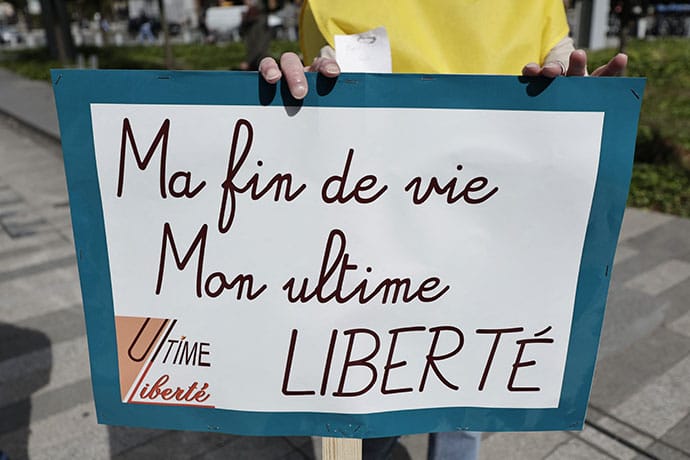
Netherlands serves as the world’s gold standard for end-of-life protocols as the first country to legalize euthanasia in 2002, codifying a practice that had already been tolerated in the country for decades. Yet, even here, the science is surprisingly informal.
The societal debate on euthanasia was sparked when, in 1971, Geertruida Postma — a general practitioner in Noordwolde, a tiny village in the northern province of Friesland — helped her mother die with a 200-mg dose of morphine injected directly into a vein. At 79, Postma’s mother was bed-bound in a care home, had suffered a cerebral hemorrhage, was deaf and partly paralyzed, could hardly speak, had pneumonia, and had already attempted suicide. Her death might not have aroused suspicion, but for Postma, who had a reputation as a woman of principle, informing the care home director, who in turn alerted the health inspectorate, resulted in a charge that carried a potential 12-year prison sentence.
But when Postma stood trial in 1973, other doctors signed an open letter to the Minister of Justice stating that they had each committed the same crime at least once. Two thousand people from Postma’s town signed a statement supporting euthanasia. A group of Postma’s patients founded the Dutch Association for Voluntary Euthanasia (NVVE). Within days, the foundation had more than 1000 members and now has more than 177,000.
The criminal court found Postma guilty, but only ordered a 1-week suspended sentence and 1 year’s probation.

The symbolic sentence acknowledged the immense public support for her act of compassion, Bert Keizer, MD, retired geriatrician in Amsterdam, Netherlands, told Medscape News Europe.
Nonetheless, many physicians at the time were still hesitant and viewed euthanasia as a frightening practice they did not want in their backyard, said Annemieke Horikx, MSc, a pharmacist at the Royal Dutch Pharmacists Association (KNMP). So in 1987, the KNMP created the Standaard Euthanatica to standardize the drugs used to end a patient’s life.
It wasn’t until around 2010 — 8 years after the Dutch Termination of Life on Request and Assisted Suicide Act was officially introduced — that physicians approached pharmacists to develop a joint guideline. This collaboration resulted in the first combined protocol in 2012, with its most recent major update in 2021.
Today, the Dutch standard for euthanasia is a two-step intravenous (IV) process: a high dose of a coma-inducing anesthetic (typically propofol) followed by a neuromuscular blocker (usually rocuronium) to paralyze the respiratory muscles. A small dose of lidocaine is often injected prior to the process to reduce the burning sensation of the anesthetic.
For decades, the gold standard for the coma-induction phase of euthanasia was thiopental. It was swift, reliable, and highly concentrated and rapidly induced a deep coma. In 2011, however, the European Union banned the export of drugs used for capital punishment, including thiopental. In the wake of the ban, manufacturers withdrew or tightly controlled supplies to avoid association with executions, making the drug increasingly difficult to obtain. “Thiopental is very difficult to get now,” Horikx said.
This supply shock prompted a revision of the Dutch guidelines. With thiopental largely unavailable, doctors pivoted to propofol — an effective but imperfect substitute that requires substantially larger volumes to achieve the deep coma necessary for euthanasia.

The main medications have remained largely consistent since 1987, but the guidelines have evolved from simple drug recipes into complex procedural manuals. The 2021 update, for instance, focuses heavily on “the exceptional situation,” where a patient does not adequately lose consciousness or does not die. It now includes detailed guidance on handling difficult vasculature, which is common in patients with cancer; specific instructions for using sodium chloride flushes between injections to prevent drug precipitation; and rigorous protocols for checking corneal reflexes to ensure deep coma before paralysis is induced.
While the vast majority of patients (97%) opt for the IV method, Dutch law also permits assisted dying, which differs from euthanasia, in that the patient chooses to self-administer the medication. This involves drinking a lethal amount of pentobarbital or secobarbital in doses far exceeding therapeutic limits, often flavored to mask the taste. Patients are advised to take antiemetic medication beforehand to help with the nausea and vomiting that the lethal drugs might cause.
“If you take the oral method, you have to drink 100 mL of a very bitter drink,” Horikx explained. “You can vomit. It can take a long time before you fall asleep. It can take a long time before you die. But most people die within 30 minutes.”

The oral pathway can take as long as a few hours and carries more risks, confirmed Steven Pleiter, former managing director of the Dutch Center of Expertise for Euthanasia.
If patients regurgitate the bitter mixture, they might absorb only a partial dose that causes a prolonged, confused state rather than death. In Netherlands, if the oral method fails, a doctor is legally permitted to step in and administer a lethal injection. In countries where only assisted dying, not euthanasia, is legal, such as Switzerland and Austria, no such safety net exists.
In Italy, the pharmaceutical protocol is not a fixed national standard like in Netherlands. Instead, a doctor is assigned to each case to create a bespoke drug regimen and administration method, which a clinical committee then validates.
Regulatory Vacuum and Lack of Oversight
If a pharmaceutical company wants to release a new drug to treat anything from a skin condition to a specific type of cancer, it must undergo years of phase 1, 2, and 3 clinical trials. It must prove safety, efficacy, and dosage profiles to the European Medicines Agency (EMA). But for the drugs used to end a life, this regulatory framework appears to be nonexistent.
“The medicines used in assisted dying or euthanasia are not authorized for a lethal purpose,” an EMA communication officer wrote to Medscape News Europe. The agency views this as a matter for national authorities.
So what do Europe’s national authorities say?
The Dutch Medicines Act states that prescribing medications outside the indications registered by the Board for the Assessment of Medicines is permitted if protocols or standards have been developed within the professional association. If protocols and standards are still being developed, consultation between the treating physician and the pharmacist is required.
The German Federal Institute for Drugs and Medical Devices wrote to Medscape News Europe that, following a court ruling, it is “no longer involved in this issue.”
Similarly, the Italian medicines agency, AIFA, stated that there is no official national protocol regarding medications for medically assisted dying. The matter is regulated on a case-by-case basis under the supervision of local health authorities and ethics committees in accordance with a 2019 Constitutional Court ruling.

In the UK, where the Terminally Ill Adults (End of Life) Bill is currently being presented before the House of Lords, the Medicines and Healthcare Products Regulatory Agency offers a clearer path. A spokesperson told Medscape News Europe that should the bill receive Royal Assent, the Secretary of State would develop a regulatory process to specify approved substances and oversee their supply and monitoring.
For now, drugs administered anywhere for the purposes of euthanasia and assisted dying are used entirely off-label. Doctors are using anesthetics and muscle relaxants approved for surgery at doses significantly higher than the therapeutic limit for a purpose — death — for which they were never approved.
In Netherlands, oversight is rigorous but fundamentally retrospective and designed to check legal compliance, not clinical outcomes. Once the procedure is completed and the patient has died, the physician notifies the municipal pathologist who investigates the death and notifies one of the five regional euthanasia review committees (RTEs), which consist of a lawyer, a doctor, and an ethicist.
According to their latest 2024 report, the RTE received 9958 notifications that year. The committees found that the physician had not complied with the “due care criteria in” six of those cases. Three carried the risk of a patient being aware of the effects of the muscle relaxant. In two cases, the physician had not consulted an independent physician. And in another case, the physician did not exercise the required “particular caution” by seeking psychiatric expertise for a request based largely on a psychiatric disorder.
Due Care Criteria in Netherlands
The due care criteria of the Dutch Termination of Life on Request and Assisted Suicide Act state that the physician must:
- Be satisfied that the patient’s request is voluntary and well considered
- Be satisfied that the patient’s suffering is unbearable, with no prospect of improvement
- Have informed the patient about their situation and their prognosis
- Have come to the conclusion, together with the patient, that there is no reasonable alternative in the patient’s situation
- Have consulted at least one other independent physician who must see the patient and give a written opinion on whether the due care criteria set out in the previous points have been fulfilled
- Have exercised due medical care and attention in terminating the patient’s life or assisting in their suicide
“We look at whether the doctor followed the rules of due care,” said Keizer. “Was the suffering unbearable? Was the request voluntary? We don’t analyze the blood of the deceased to see if the drug levels were correct.” Unless a gross technical error is reported, such as the patient waking up, the physiologic details of the death are not scrutinized, he said.

“The Dutch system is built around the due care criteria,” Yvette Schuijt, LLM, the NVVE’s legal counsel, told Medscape News Europe. The primary goal of the legislation is to provide a legal shield for doctors, ensuring they are not prosecuted for murder, provided they follow the rules. It was not designed as a medical protocol to optimize the biological quality of death, she acknowledged. “There is a lack of clinical research regarding end-of-life medication. The specific pharmacological effects are rarely studied or questioned in the country,” she said.
As a result, data on potential side effects are not systematically collected because the oversight bodies are not looking for them. “We assume it works because the patient dies,” Keizer said. “But deeper questions about what happens biologically are not part of the standard review.”
Complications with the IV method include difficulty accessing veins or extravasation, potentially causing pain and failing to induce a deep coma. Patients’ physiology can also interfere. The blood of Göbel’s patient was so thick that the drugs did not travel far from the injection site. Other times, veins are too fragile and can collapse. The oral method carries different risks, such as vomiting or an inability to swallow the full 100-mL lethal solution quickly enough.
These risks may be rare, but they are likely significantly underreported worldwide.
In a 2023 report from Oregon, 72% of complication data that year were missing entirely. Of the limited data available, 9.8% of patients experienced complications, such as ingestion difficulties, regurgitation, and seizures.
Between 2024 and 2025 in Western Australia, 18 complications were recorded out of the 451 medically assisted deaths, mostly involving IV line failures, regurgitation, and seizures. Other complications included coughing, delayed loss of consciousness, transient pain, and syringe assembly difficulties. However, the state’s voluntary assisted dying board does not collect data on complications during deaths that occur via self-administration. Furthermore, n o other state o r territory in Australia reports data on complications. New Zealand also does not report data on complications.
Dignitas, a Swiss nonprofit organization providing physician-assisted dying, and the German Health Ministry both declined Medscape’s request to share data where they were available. Complications data are also not collected in Italy.
This lack of reported data makes the evidence anecdotal, said Pleiter.

The time to death also varies widely from mere minutes to several hours, depending on the specific drugs used, the route of administration, and the patient’s unique physiology. This variability can be distressing for both the patient and their loved ones, particularly if they expect a swift and peaceful death, Claud Regnard, MB ChB, a retired palliative medicine consultant in the UK, told Medscape News Europe.
Peter Warren, executive director of the World Federation of Right to Die Societies in Barcelona, Spain, wrote to Medscape News Europe that the medication used in euthanasia and assisted dying varies across countries, but their efficacy and safety have not been compared. “As far as I am aware, no such collected data exists.”
Between Sleep and Suffocation
So what happens when euthanasia drugs are administered?
Philippe Camus, MD, professor of pulmonology and respiratory intensive care at Dijon University Hospital in Dijon, France, has studied the effect of drugs on the lungs since 1972, when he began collecting data as a medical student at the University of Burgundy. Over five decades, he has compiled more than 200,000 references into a global database tracking drug-induced respiratory disease.
Even at therapeutic dosages, he explained, anesthetics such as propofol can cause ventilatory depression, a deep coma, peripheral vasodilation, and myocardial dysfunction. At therapeutic doses, however, these risks are minimal and promptly managed. “The poison is in the dose,” he said.
In the Dutch IV protocol for euthanasia, the patient is given 1000 mg of propofol. A typical dose for surgery is 2-2.5 mg/kg IV administered at a rate of 40 mg every 10 seconds.
When a massive dose of anesthetic hits the system, the mechanism of death is rarely simple and not fully understood, said Didier Cataldo, MD, PhD, pulmonologist at the University of Liège in Liège, Belgium.
These drugs shut down the brain’s drive to breathe, the patient becomes comatose, and breathing slows and becomes shallow. A deep coma can lead to loss of airway reflexes, which means the patient is no longer able to cough or gag. The tongue falls back, blocking the upper airway and causing effort during inhalation. This creates a vacuum inside the chest. As the diaphragm contracts to draw air into the lungs against a closed glottis, the pressure inside the alveoli drops rapidly and becomes significantly lower than the pressure in the surrounding blood vessels. This pressure difference acts like a suction pump. It forces fluid, and sometimes red blood cells, out of the pulmonary capillaries and across the thin membrane into the alveoli, resulting in negative pressure pulmonary edema. This is why, in standard surgery, patients are sometimes intubated and connected to a ventilator before the full anesthetic load is delivered. Anesthetics can also cause vasodilation and myocardial dysfunction. This causes a drastic drop in blood pressure, making it impossible for the heart to pump blood to the rest of the body.
While Cataldo said pulmonary edema is not commonly associated with barbiturate overdose, the real frequency has never been reported. A case report published in the Journal of Emergencies, Trauma, and Shock last year by researchers in Japan provides rare, physical evidence of this mechanism.
The report details the death of an 18-year-old male who ingested a lethal overdose of pentobarbital, the same barbiturate used in the oral method for assisted death. When emergency teams arrived, they found the patient in cardiac arrest. But as they attempted to intubate him, they found a “substantial quantity of frothy, bloody secretions” discharging from his throat. A postmortem CT scan confirmed severe bilateral pulmonary edema. His lungs were sodden with fluid. The patient, sedated but perhaps not yet dead, might have struggled to breathe against a blocked airway, drowning himself from the inside.
Cataldo explained that such pulmonary edema can indeed be caused by respiratory efforts against a blocked airway, or pulmonary vascular permeability can increase following severe hypoxia. The capillary walls lose their integrity and become leaky. Fluid then seeps out of the bloodstream and floods the alveoli. This accumulation creates a frothy fluid barrier that blocks oxygen exchange. It is plausible that this mechanism, if it exists, is related to end-stage agony, he added.
Another possible mechanism of death in euthanasia is myocardial pulmonary edema. This happens when the heart continues to beat while the lungs are failing, explained Bernard Lambermont, MD, PhD, head of the ICU at the University Hospital of Liège. The left side of the heart, which pumps blood to the body, fails first or most acutely. But blood that is still present in the pulmonary loop creates a backlog. The pressure inside the delicate capillaries of the lungs spikes instantly. The vessel walls, unable to contain this pressure, become leaky. This fluid mixes with the air remaining in the lungs, creating a foam that blocks oxygen exchange.
Camus said that experiencing pulmonary edema would be like drowning on dry land. It feels like being forced to breathe through a narrow straw. Every attempt to inhale draws not air but a mixture of blood and fluid that churns into a thick, pink froth. This foam rises up the trachea, blocking the windpipe. The brain, starved of oxygen, triggers a state of panic. “We need to decide whether that’s pain,” Camus said. “It’s not physical pain but can be extremely distressing.”
Göbel, who has performed tens of euthanasia over his career, said he is “very sure” that patients do not experience pulmonary edema as conscious suffering.
“Propofol obliterates cortical consciousness to induce a deep coma,” said Federico Piffer, MD, a consultant in respiratory medicine at the Pulmonology Unit, Hospital of Arco, Trento, Italy. “Even if the body experiences physiological trauma such as pulmonary edema, the patient is too deeply anesthetized to perceive any sensation of drowning or air hunger. They effectively die under the same total lack of sensation expected in major surgery.”
Lambermont agreed that such a high dose of anesthetic should ensure the patient is deeply anesthetized when respiratory or myocardial depression happens. According to Göbel, the patient goes into a deep coma first; only then does breathing stop. And only when fully unconscious, the muscle relaxant, 150 mg of rocuronium, is administered.
Göbel adds that, in his experience, nine out of 10 patients will have already died when they receive the muscle blocker injection, which reduces the fear that someone could be paralyzed but still conscious and suffering. “When the medication goes where it should go, it is very predictable. That’s the beauty of it,” he said. “I have never seen anyone suffer from it; the opposite, just the opposite. You hold the hands of your children, of your beloveds, and while talking, you gradually get drowsy and lose consciousness in about 20, 30, 40 seconds.”

Some reassurance might come from studying organs retrieved after euthanasia. In Netherlands, Belgium, and Canada, patients undergoing euthanasia can opt to donate their organs. Stephen Potts, consultant transplant psychiatrist at the Royal Infirmary of Edinburgh, in Edinburgh, Scotland, said that organs retrieved immediately after euthanasia, including lungs, have shown “good medical outcomes” in recipients. “It’s fair to say that there’s a lot of uncertainty about the potentially toxic effects of [these] drugs, but uncertainties are more theoretical than actually emerging in practice.”
Frank Dor, MD, PhD, transplant surgeon at Erasmus MC, Rotterdam, Netherlands, told Medscape News Europe that he has not observed organ damage. “The quality of the organs is generally excellent. In fact, they are often better than organs from cardiac death donors,” he said. Recent data from a systematic review suggest that donation after euthanasia provides outcomes comparable to donation after circulatory death, in particular for lung and kidney transplantation.

But data on organ transplantation following euthanasia is limited. What does exist comes from highly controlled hospital environments. Organ suitability for transplantation may suggest that “a good death” is physiologically possible, but whether euthanasia is a painless end remains a secret buried with the patients until data are systematically collected. “We don’t have public data describing how termination of life happens, and to make a clinical judgement on why and how it happens,” Camus said.
Does It Matter?
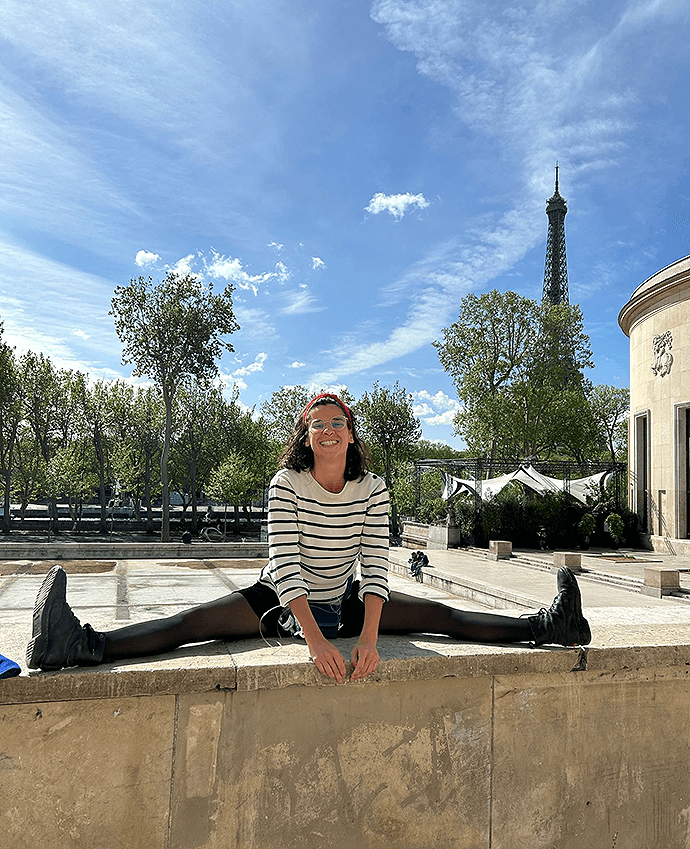
For Sandra Andoulsi, a 31-year-old dancer and artist in Paris, France, living with Ehlers-Danlos syndrome means waking up every morning to a body that feels like it is dismantling itself. When the pain is at its peak, the theoretical risk for a difficult death feels abstract compared with the concrete torture of her daily existence, said Andoulsi, who is contemplating euthanasia. “When you are drowning,” she said, “you don’t ask if the lifebuoy is made of certified rubber. You just grab it.”
To someone in unbearable suffering, the black box of the dying mechanism may be acceptable as long as it delivers the release they crave, Iline Ceelen, a PhD candidate at Radboud University, Nijmegen, Netherlands, who studies the ritualization of euthanasia in Netherlands, told Medscape News Europe. She recalls one patient she interviewed for her research whose arms were mapped with the scars of self-harm; burns and cuts inflicted to manage her internal agony. To a woman already living in hell, Ceelen said, the threat of 10 minutes of distress during the procedure is a negligible price to pay for the certainty of the end. “If anyone had told her ‘it might be hell for 10 minutes,’ she wouldn’t have said, ‘Oh, no, no, that’s fine. I won’t do it.’”
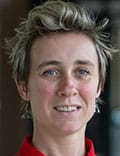
Yet Andoulsi refuses to let the medical system off the hook that easily. While she admits that she would endure “10 minutes of hell” if it guarantees the end of her suffering, she resents that this is even a choice she might have to make. For Andoulsi, it is about a final act of trust in a system that has repeatedly failed her.
“I have spent years fighting doctors who didn’t believe my pain, who gaslit me, who told me it was all in my head,” she said. “If they are finally going to help me die, the absolute bare minimum I expect is that they have done their homework. After a lifetime of medical negligence, I shouldn’t have to worry that my death will be negligent too.”
Göbel, Keizer, Horikx, Pleiter, Schuijt, Regnard, Warren, Camus, Cataldo, Lambermont, Piffer, Potts, Dor, Andoulsi, and Ceelen reported having no relevant financial relationships.
Manuela Callari is a freelance science journalist specializing in human and planetary health. Her words have been published in Medscape, The Medical Republic, Rare Disease Advisor, The Guardian, MIT Technology Review, and others.
Credits
Lead image: iStock/Getty Images
Image 1: Katja Mali photography
Image 2: STEPHANE DE SAKUTIN/AFP/Getty Images
Image 3: Bert Keizer
Image 4: Annemieke Horikx
Image 5: Steven Pleiter
Image 6: Emily Berry
Image 7: Yvette Schuijt
Image 8: Claud Regnard
Image 9: Ben Whitley/PA Images/Getty Images
Image 10: Federico Piffer
Image 11: NHS Lothian
Image 12: Frank Dor
Image 13: Morane Ravet
Image 14: Radboud University
Medscape News Europe © 2026 WebMD, LLC
Is Assisted Death Always Peaceful? Lack of Data Means We Simply Don’t Know – Medscape – February 03, 2026.